Cologne, Aftershave, Deodorant, and Body Spray: What Each Actually Does
Cologne is not aftershave. Aftershave is not deodorant. Body spray is not cologne. Adults consistently confuse these categories. Here's what each actually does.
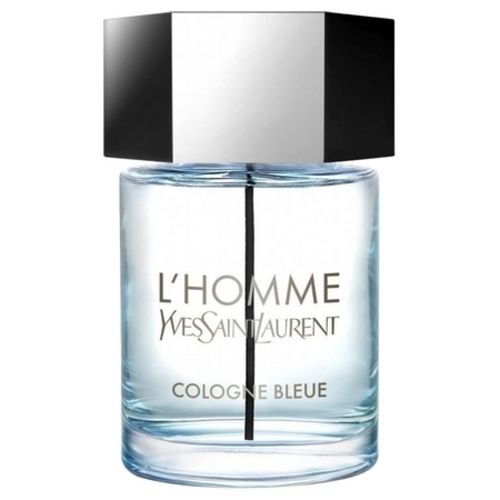
Adults consistently confuse the categories of cologne, aftershave, deodorant, and body spray. The confusion makes sense — they're all bottles you spray or apply to your body, the marketing blurs the lines, and the actual functional differences require some understanding of what each product is for. The result is adults applying products in wrong combinations, expecting one product to do another product's job, and missing out on the genuine benefits of using each correctly.
After 40, this matters because the grooming categories diverge in importance. Cologne becomes a more deliberate choice (fragrance wardrobe rather than one-bottle approach), aftershave becomes more useful as adult skin recovers slower from shaving, deodorant choice has bigger consequences for skin and clothing (yellow stain prevention), and body spray is largely something to leave behind as a category. Understanding what each does helps build a routine that actually works.
This guide is the practical version: what each product is, what each does, how they interact, and the application order that makes them work together.
The fast answer
Cologne: a fragrance (eau de cologne, eau de toilette, eau de parfum, or parfum) applied to skin for olfactory pleasure. Concentration varies; the higher the concentration, the longer it lasts and the more it projects.
Aftershave: a skin treatment applied after shaving to disinfect, soothe, and protect the freshly-shaved skin. Can be lotion, balm, or splash. Usually fragranced but the fragrance is secondary to the skin function.
Deodorant: a product applied to underarms (and sometimes other areas) that addresses body odor — either by masking with fragrance, killing bacteria, shifting pH, or blocking sweat. May or may not contain aluminum-based antiperspirant compounds.
Body spray: a low-concentration fragrance mist applied broadly to the body. Designed for teenagers and casual use; usually not appropriate as a primary fragrance for adults.
Application order: shower → aftershave (if shaving) → deodorant → wait 5-10 minutes → cologne → dressed. Don't substitute one for another (cologne doesn't replace deodorant; deodorant doesn't replace fragrance). Each has its own job and they layer together.
That's the structure. The texture is below.
Cologne — what it actually is
In modern usage, "cologne" is often used as a generic term for men's fragrance, but technically:
Cologne (Eau de Cologne, EdC): the lightest fragrance concentration, typically 2-5% fragrance oils. Lasts 1-3 hours on skin. The original "cologne" was a specific Italian/French citrus-based composition (like Acqua di Parma Colonia).
Eau de Toilette (EdT): lighter fragrance, typically 5-15% fragrance oils. Lasts 3-6 hours. The most common modern men's fragrance concentration.
Eau de Parfum (EdP): stronger fragrance, typically 15-20% fragrance oils. Lasts 6-10 hours. Increasingly common for modern men's fragrances.
Parfum / Extrait de Parfum: strongest, typically 20-40% fragrance oils. Lasts 10+ hours. Niche and luxury.
In casual modern conversation, "cologne" usually refers to any of these — most adults call their EDP "cologne" even though it's technically not. The functional category is "fragrance for skin," and the concentration determines longevity and projection.
What it does:
- Provides olfactory pleasure to the wearer and others
- Affects perceived attractiveness positively (when well-chosen and properly applied)
- Creates memory association (smell is the sense most strongly tied to memory)
- Signals taste and intentionality
What it doesn't do:
- Doesn't mask body odor (covers temporarily then combines with it)
- Doesn't replace deodorant
- Doesn't have skincare benefits (alcohol-heavy fragrances actually mildly dry the skin)
- Doesn't prevent sweating
How to use it:
- Apply 30+ minutes before social context begins (lets top notes dissipate)
- 2-4 sprays for office; 3-5 for evening; 2-3 for hot weather — see office-safe colognes for men after 40, date night fragrances for adults after 40, summer fragrances for men after 40
- Pulse points (neck, wrists, chest) — see building a fragrance wardrobe after 40 for the broader approach
- Wait for deodorant to fully dry before applying
Aftershave — what it actually is
Aftershave is a post-shave skin treatment, not a fragrance. The historical formulation was alcohol-heavy (witch hazel, ethanol) plus fragrance — the alcohol disinfected freshly-shaved skin and the fragrance was a side effect. Modern aftershaves have evolved into multiple categories:
Aftershave splash / lotion: traditional liquid, often alcohol-based, applied with hands. Provides antiseptic action and brief skin tightening. Can be drying; not ideal for adult sensitive skin or repeated use without moisturizer.
Aftershave balm: cream-textured, low or no alcohol, focused on skin soothing and hydration. The better option for most adults; see shaving after 40: tools and technique.
Aftershave gel: thinner consistency, often skin-soothing focus with mild fragrance.
What it does:
- Disinfects any small nicks or razor abrasion
- Soothes the post-shave skin
- Provides mild moisturizing (balm specifically)
- Optionally fragrances briefly
What it doesn't do:
- Doesn't replace cologne (the fragrance, if any, is much lighter and fades fast)
- Doesn't last as long as cologne
- Doesn't address body odor anywhere except briefly on the face
How to use it:
- Apply after rinsing and drying the post-shave face
- Lotion/balm in larger quantity than a few drops; rub gently into shaved areas
- Splash in smaller quantity; can sting if you have any nicks
- Let it absorb before applying any other facial product or fragrance
For modern adults, aftershave balm is almost always the right choice over traditional alcohol splash. The barrier-supporting formulation suits aging skin better than traditional drying formulations. Brands worth knowing: Nivea Sensitive Post Shave Balm ($8), Proraso After Shave Balm ($15), Baxter of California After Shave Balm ($35), Lab Series Post Shave ($45).
Deodorant — what it actually is
Deodorant is a broad category that addresses underarm odor through several different mechanisms.
Antiperspirant deodorant: contains aluminum compounds (aluminum chloride, chlorohydrate, zirconium) that physically block sweat ducts, reducing eccrine sweat output. Also reduces apocrine sweat to a lesser degree. Includes a fragrance to mask any residual smell. Most over-the-counter "deodorant" is actually antiperspirant — Old Spice, Dove, Mitchum, Right Guard, etc.
Deodorant only (no antiperspirant): addresses odor without reducing sweat. Mechanisms include:
- Antimicrobial action (kills odor-producing bacteria)
- pH-shifting (creates environment unfavorable to odor bacteria)
- Strong fragrance to mask odor
- Activated charcoal or natural minerals
Examples: Native, Schmidt's, Lume, baking soda-based naturals.
Crystal/mineral deodorant: alum (potassium alum) salts that have mild antimicrobial effect without aluminum compounds. Some adults find these work; many find them inadequate.
What deodorant does:
- Reduces or eliminates body odor
- Reduces sweat (only if it contains aluminum-based antiperspirant)
- Some include moisturizing or skin-supportive ingredients
What it doesn't do:
- Doesn't replace cologne
- Doesn't address odor from other body areas (groin, feet) unless specifically formulated
- Doesn't replace daily showering or hygiene
How to use it:
- Apply to clean, dry skin (post-shower, with a gap of a few minutes for skin to dry)
- For aluminum-based antiperspirant: night application is significantly more effective than morning (see best deodorant strategy with cologne)
- Don't reapply during the day on top of existing residue — wipe armpit clean first if needed
The choice between antiperspirant and aluminum-free deodorant is significant:
- Antiperspirant: better sweat control; risk of yellow shirt stains; broad effectiveness
- Aluminum-free deodorant: no shirt staining; less sweat protection; 4-6 week adjustment period; some adults find it adequate, others not
See stress sweat vs heat sweat for the underlying biology of what these products are addressing.
Body spray — what it actually is
Body spray (Axe, Old Spice Sweat Defense Spray, Dove Men+Care, etc.) is a low-concentration fragrance mist designed for full-body application. The mechanism is:
- Light fragrance load (usually 1-3% fragrance oils, less than even cologne)
- Aerosol or pump delivery
- Designed to project broadly but lightly
- Often includes some odor-reducing claim (though usually minimal)
What it does:
- Provides a brief, light fragrance to the body
- Some include mild antibacterial action
What it doesn't do:
- Doesn't replace deodorant (much less effective)
- Doesn't last as long as cologne
- Doesn't sophisticated fragrance compositions worth wearing as primary fragrance
- Doesn't suit adult dressing contexts
For adults after 40: body spray is generally a category to leave behind. The fragrance compositions are unsophisticated (heavy artificial accords, teenage-targeting), the longevity is poor, and using body spray instead of cologne or in combination with cologne signals "I don't understand fragrance."
The exception: post-gym situations where you've showered briefly and want light all-over freshening before a quick transition. Even then, a light EDC (Acqua di Parma Colonia, Atelier Cologne Orange Sanguine) does the same thing more elegantly.
How they layer together
The right adult application sequence:
- Shower — see shower frequency after 40 for cadence; gentle body wash on apocrine zones
- Shave (if relevant) — see shaving after 40: tools and technique
- Aftershave balm to the shaved areas — wait for absorption
- Moisturizer (face and body if dry) — see simple skincare routine after 40
- Deodorant or antiperspirant to dry armpits — wait 5-10 minutes for it to fully dry
- Cologne to skin (neck, chest, wrists) — wait 5-10 minutes
- Get dressed — ideally after cologne has settled
This sequence prevents the most common issue: cologne mixed with wet deodorant, transferring to clothes, or clashing with strong aftershave fragrance.
For evening / dressed-up contexts, the same sequence applies but with more deliberate cologne choice (date or evening scent — see date night fragrances for adults after 40).
Common mistakes
Using cologne to cover body odor. Cologne combines with body odor rather than masking it. Result: you smell worse, not better. Address the underlying sweat/hygiene issue first.
Using cologne instead of deodorant. Cologne doesn't prevent sweat or kill odor-producing bacteria. You'll smell of cologne for an hour, then cologne-mixed-with-body-odor for the next 6.
Using aftershave as cologne. Aftershave's fragrance is light and fades within an hour. It's not designed to project as primary scent.
Using body spray as your only fragrance into adulthood. Adult fragrance contexts call for adult fragrance. Save body spray for casual home use; invest in cologne for everything else.
Spraying cologne over wet deodorant. Causes the cologne to transfer to clothing, react with the deodorant, and project oddly. Wait for deodorant to fully dry.
Layering 3 strongly-fragranced products. Aftershave + scented deodorant + cologne in close quarters becomes a fragrance overload. Stick to unscented or lightly-scented aftershave and deodorant; let your cologne be the dominant scent.
Reapplying multiple products during the day. Reapplying deodorant on top of existing residue, or refreshing cologne after olfactory adaptation makes you forget you applied it, leads to over-application.
Applying cologne to clothes. Cologne is for skin. Clothes hold fragrance for weeks/months in ways that can become unpleasant. Apply to skin only.
Skipping aftershave entirely. Adult skin recovers slower from shaving than younger skin. Skipping the soothing balm post-shave produces more irritation, red bumps, and ingrown hairs over time.
Treating "antibacterial body wash" as a deodorant. Different category, different mechanism. Body wash washes off; deodorant stays. They complement, not substitute.
What about other related products
Beard oil/balm: For beards. Conditions the beard and the skin under it. See beard care after 40. Different category from any of the above.
Hair styling products: Pomade, paste, wax, gel. For hair. See haircuts for men after 40. Different category.
Foot powder / spray: Specific to foot odor. See foot care for adult men after 40. Targeted product.
Talcum powder: Old-school general body powder. Largely replaced by modern body lotions for adult skin; talc has been associated with some health concerns and is largely out of fashion.
Hand soap / body wash: Cleansing only. Doesn't deodorize beyond the wash itself.
Cologne wipes / individual towelettes: Small portable cologne format. Convenient for travel; less control than spray application.
Each of these has its specific role; none substitutes for another.
How the system fits together
The complete adult grooming system for fragrance and odor management looks like:
- Daily hygiene: shower with appropriate frequency (see shower frequency after 40), gentle products
- Antiperspirant at night for next-day protection (see best deodorant strategy with cologne)
- Aftershave balm for post-shave skin
- Skincare routine with moisturizer, sunscreen, retinoid (see simple skincare routine after 40)
- Cologne appropriate to context (office, evening, casual, warm weather — see building a fragrance wardrobe after 40)
- Specific area products as needed (foot powder, beard oil, etc.)
The compounding logic: each product does its specific job, and they layer rather than conflict when used correctly. Adults who understand the categories use fewer products more effectively than adults who use more products randomly.
FAQ
Is cologne the same as perfume? Technically cologne is the lightest concentration of fragrance, perfume is the strongest. In modern usage, "cologne" often refers to any men's fragrance regardless of actual concentration. "Perfume" is more often used for women's fragrances of any concentration in marketing.
Can I use aftershave as cologne? You can, but aftershave is much lighter than cologne — the scent fades within an hour. Not appropriate as a primary fragrance for adult contexts.
Do I need both deodorant and cologne? Yes, for different functions. Deodorant prevents body odor; cologne is olfactory pleasure for you and others. They don't substitute for each other.
Is body spray okay for adults? Generally no, as primary fragrance. Body spray reads as juvenile in adult dressing contexts. Save it for casual home use or post-gym situations; use cologne for everything else.
Should aftershave have alcohol in it? The traditional alcohol-based splash is largely replaced by modern aftershave balms for adult skin. Alcohol can dry aging skin and slow healing of minor shaving nicks. Balm formulations work better for most adults.
Can I skip deodorant if I shower frequently? For most adults, no — body odor develops within hours of showering once apocrine sweat reaches the skin (see the 6-hour window: how sweat becomes body odor). Daily showering doesn't substitute for daily deodorant.
What's the difference between EDP and EDT? Concentration. EDP (Eau de Parfum) has more fragrance oils (15-20%); EDT (Eau de Toilette) has less (5-15%). EDP lasts longer and projects more strongly. Same fragrance can come in both concentrations with different price points.
How long should I wait between applying deodorant and cologne? 5-10 minutes minimum, ideally 15. Wet deodorant + cologne creates wrong projection patterns and risk of transferring to clothing. Let the deodorant fully dry first.
Related guides: best deodorant strategy with cologne, building a fragrance wardrobe after 40, shaving after 40: tools and technique, adult grooming checklist, office-safe colognes for men after 40.

Hair Washing Technique for Adult Men After 40: What Most Get Wrong
Hair washing is the grooming step most adults never reconsider. After 40 — with scalp changes, gray hair, and thinning — technique matters more than ever.

Body Exfoliation for Adult Men After 40: The Honest Protocol
Dead skin accumulates faster after 40, and shows on shoulders, back, knees, and elbows. The honest body exfoliation protocol — what works, what to skip.
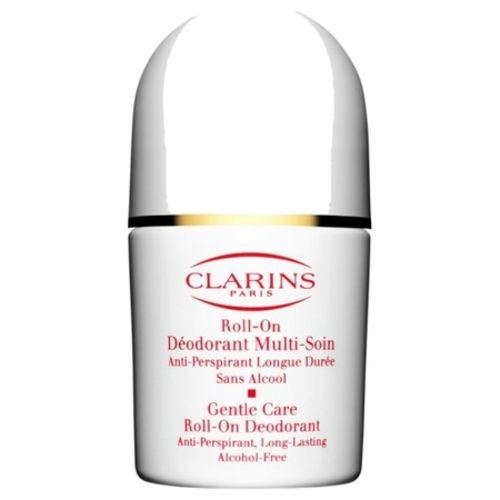
Deodorant Types Compared for Adult Men: Stick, Spray, Roll-On, Cream, Crystal
Stick, spray, roll-on, cream, crystal — five formats, real differences. The honest comparison for adults who want odor protection without staining their shirts.