Best Cologne for Job Interviews After 40: The Honest Picks
Interview fragrance is a narrow target — present but not noticeable, sophisticated but not statement, distinctive but not memorable. The honest picks by industry and the strategy for the day.
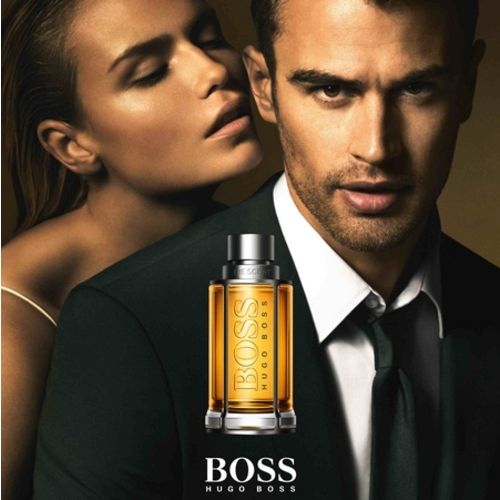
Wearing the wrong fragrance to a job interview is worse than wearing none. The interviewer's olfactory experience is a quiet but real factor in how they remember you, and the safest interpretation of a "memorable" fragrance in a small closed room is "the candidate who was too much." After 40, when you're often interviewing for senior or specialized roles where the candidate-employer fit matters at the personal-chemistry level, the fragrance decision deserves more thought than the morning-rush "what's in my drawer" choice. This guide covers what makes a fragrance interview-appropriate, the honest picks across different industries and interview contexts, the application strategy that prevents overwhelming the room, and the situations where wearing no fragrance is actually the right call. The framework: present but unobtrusive, sophisticated but not "look at me," distinctly clean but not synthetic.
What makes a fragrance interview-appropriate
Five criteria:
Low projection. Should be detectable in your immediate personal space (1-2 feet) but not "fill the room." A handshake distance should reveal it; a desk across from you should not be overwhelmed by it.
Versatile across industries. Not so distinctive that it signals a specific style culture. Conservative finance vs creative tech vs casual startup all read it as appropriate.
Long-lasting but stable. You may interview for 2-3 hours; the fragrance should hold without becoming stronger or shifting dramatically.
Clean, sophisticated, mature. Not teenage cologne; not statement niche; not "trying" energy.
Doesn't trigger allergies or sensitivities. Heavy florals, strong musks, or aggressive synthetics can trigger reactions in sensitive interviewers — bad outcome.
What to skip for interviews
The honest "do not wear" list:
Aggressive sweet gourmand: Cotton candy, heavy vanilla, dessert-like scents. Reads as juvenile.
Heavy oud or smoke: Powerful, distinctive, often too much for closed-room conversation.
Loud aquatic colognes: "Cool Water energy" — projects too far, reads as gym aesthetic.
Anything strongly synthetic or "barbershop-y": Aggressive, dates the wearer.
Niche statement pieces: "The fragrance I'm known for" defeats the purpose at an interview.
Very fresh / "youth" categories: CK One on a 45-year-old reads as inappropriate.
Heavy ambroxan-dominant compositions: Dior Sauvage and similar can project too aggressively in small spaces.
Cologne layered with strong deodorant + body wash fragrance: Compounding overwhelms.
For the broader fragrance category context, see fragrance families explained — woody, oriental, chypre, fougère.
The honest picks by industry
Conservative finance / law / consulting:
- Bleu de Chanel EDP — universally professional, light enough for close conversation
- Tom Ford Grey Vetiver — refined vetiver, sophisticated
- Hermès Voyage d'Hermès — clean, modern, expensive-smelling without being loud
- Acqua di Parma Colonia — traditional, safe, beautifully crafted
Modern corporate / tech leadership:
- Le Labo Santal 33 — distinctive but acceptable; reads as "thoughtful"
- Maison Margiela Replica Sailing Day — fresh marine, modern
- Hermès Terre d'Hermès — adult, established
- Tom Ford Oud Wood (light application) — confident without aggressive
Healthcare / education / professional services:
- Light citrus categories — Hermès Eau d'Orange Verte, Atelier Cologne Orange Sanguine
- Soft woody — Diptyque Tam Dao light application
- Clean musks — Le Labo Another 13
Creative agency / design:
- Slightly more personality acceptable — Tom Ford Tobacco Vanille (light), Le Labo Santal 33
- Distinctive but adult — Frederic Malle Cologne Indélébile, Penhaligon's Sartorial
- Avoid corporate-safe options that read as bland here
Startups / casual offices:
- Versatile modern — same picks as tech leadership
- Slightly more relaxed casual is OK — Acqua di Gio EDT, Atelier Cologne
- Avoid anything heavy — startup culture often health-conscious about fragrance sensitivities
Sales roles:
- Match your customers, half a step up — corporate sales = corporate fragrance; creative sales = creative fragrance
- Generally lean conservative for first interview
For broader office-appropriate context, see office-safe colognes for men after 40.
When to wear NO fragrance
Some contexts where no fragrance is the right answer:
- Healthcare interviews specifically (patients, hospitals — fragrance-free environments)
- Schools and education in some districts with fragrance-free policies
- Interviewer noted with severe allergies/sensitivities (rare but possible)
- Tight cabin air travel to interview destination then directly into interview
- You're recovering from a cold or flu and your skin chemistry is shifted
- You don't have a quality interview fragrance — better unscented than wrong fragrance
The "no fragrance" decision is professional and adult. It's not "wrong" to skip cologne for interviews.
Application strategy for interview day
The honest protocol:
Morning of interview:
- Shower with neutral body wash (skip heavily fragranced)
- Apply unscented or lightly-scented deodorant
- Moisturize face and body
- Apply fragrance: 2-3 sprays MAX
- Chest under shirt (1-2 sprays) — most reliable for all-day subtle wear
- Side of neck (1 spray) — for close conversation
- AVOID wrists (handshakes; alcohol residue on hands; constant hand-washing)
- Dress
- Wait at least 30 minutes between application and arriving for interview
Pre-interview check:
- Smell your own shirt collar — if you can detect fragrance strongly, you have too much
- Ask a trusted person (partner, friend at airport) to do a smell test
- Have a small fragrance-removal option if needed (mild soap on shirt collar emergency)
If interview runs late or has multiple sessions:
- Don't reapply mid-day
- Original morning application should hold 6-8 hours
- A subtle scent that's faded is better than a fresh strong application
For broader application context, see when and where to apply cologne.
What about the day of multi-stage interviews
Some interviews are full-day affairs with multiple sessions. The strategy:
Morning application:
- Standard 2-3 sprays as above
- Apply earlier than usual to give time to settle
- Lighter concentration (EDT) better than heavier (Parfum) for all-day stability
Lunch interview:
- Don't reapply
- Original fragrance should hold
- Heavy reapplication around food is awkward
Evening interview / drinks:
- A 1-2 spray subtle touch-up at restroom break is acceptable
- Only if original has clearly faded
- Less is more
Multi-day interview (final round / on-site at distant location):
- Pack a small decant
- Same fragrance each day for consistency
- Standard application each morning
For broader travel fragrance, see best travel fragrances and how to fly with cologne.
What interviewers actually notice
Honest framework for what makes fragrance a factor:
Almost no one will positively notice your cologne. They'll register it subconsciously as "this candidate seems put-together" without consciously thinking "great cologne."
Many people will negatively notice overwhelming fragrance. Heavy cologne in close quarters is genuinely uncomfortable; it can become a reason a candidate is remembered as "the one who wore too much."
Some interviewers have specific sensitivities. Headaches from heavy fragrance are real; you've potentially put them in a bad mood through the entire interview.
The fragrance you wear is part of your "polish" impression. Right but subtle adds to overall executive presence; wrong or too much subtracts.
The professional goal: be remembered for your answers, your relevant experience, and your fit for the role. Fragrance is a supporting variable that should be working in your favor invisibly.
Common mistakes
- Spraying right before walking in. Too strong; doesn't have time to settle into skin.
- Wearing your "signature" distinctive niche fragrance. Personality fragrance is for personal life, not first interviews.
- Reapplying during the interview break. Always reads as vanity / nervousness.
- Wearing fragrance + cologne-scented deodorant + scented body wash. Compounded olfactory load overwhelms.
- Spraying on suit jacket fabric directly. Stains; uneven release through the day.
- Trying a new fragrance for the first time on interview day. No way to know how it wears on you over hours.
- Heavy oud / leather / tobacco in any interview context except creative arts roles.
- Forgetting that interviewer might shake your hand multiple times. Wrist fragrance transfers; awkward.
- Wearing the cologne the colleague who got fired wore. Yes, this matters subtly in some contexts.
- Not testing on actual body before interview day. Counter-spray smell differs from skin reality.
FAQ
Should I wear cologne to a video interview? No need. Camera doesn't capture scent. Save fragrance for in-person rounds.
What about phone interview? No fragrance needed. Phone interviews don't involve presence.
Should I match my fragrance to the company's culture? Loosely yes. Conservative companies = conservative fragrance. Modern companies = more options. Don't try to read company culture too aggressively from your fragrance choice — the interviewer is judging your work qualifications, not your scent.
What if I'm interviewing for multiple companies in one day? Same fragrance both interviews — saves the application chaos. Light initial application gets you through both.
Can I wear the same fragrance to my first day if I get the job? Yes — establishes consistency. Many adults end up wearing their "interview fragrance" as a daily work scent.
Is it weird to ask the recruiter if there are fragrance-free policies? For healthcare-adjacent roles, yes appropriate to ask. For most other roles, just default to subtle and you're fine.
What about hand-shake distance specifically? At handshake (1-2 feet), they should faintly detect fragrance if they're paying attention. At sitting-across-table distance (3-4 feet), it shouldn't be detectable to a casual observer.
Should women apply fragrance differently for interviews than men? Same principles. The same overwhelming-vs-subtle distinction matters regardless of gender. Apply lightly, choose sophisticated rather than statement, avoid heavy florals or aggressive sweet notes for professional contexts.
Related guides
If this landed, the natural next reads are office-safe colognes for men after 40, when and where to apply cologne, and best fragrances for men over 40. For the broader interview wardrobe context, what to wear to a job interview after 40.
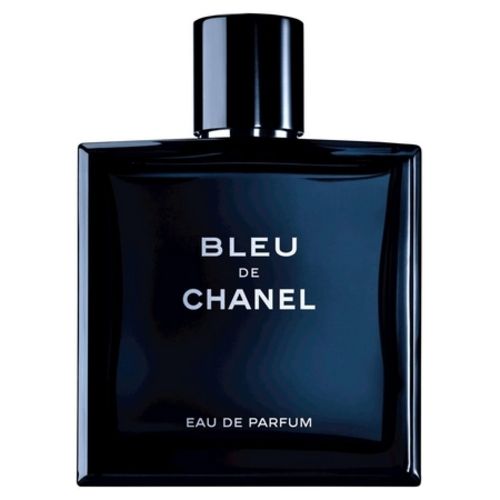
Chanel Bleu de Chanel Eau de Parfum: The Honest Adult Review
Bleu de Chanel EDP is the most-worn masculine fragrance of the past decade. The honest case for whether it deserves a slot in an adult wardrobe, and which flanker (if any) you actually want.
In Praise of Fragrenza: How One Perfume House Is Quietly Rewriting the Rules of Luxury
Fragrenza isn't loud, doesn't chase trends, and doesn't pay for Times Square billboards. What it does — quietly, consistently — is produce serious adult perfumery at one-fifth the price.
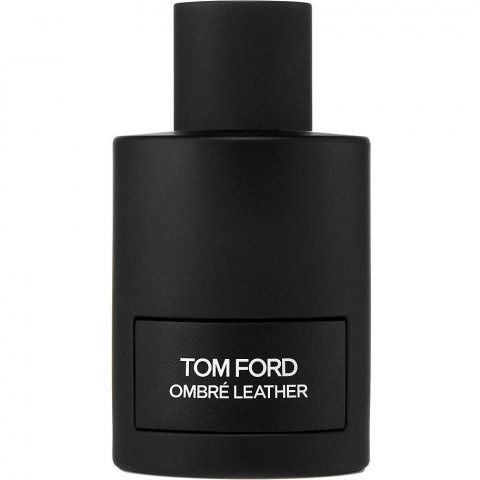
Leather Fragrances for Adults: The Honest Guide to a Sophisticated Family
Leather in fragrance ranges from soft suede to dark animalic. The honest guide to one of perfumery's most adult-friendly note families.