How Often to Wash Your Hair After 40: The Adult Shampoo Strategy
Sebum production drops after 40 but hair density does too. The right wash frequency is almost never what you're doing now — and the shampoo you use matters more than the schedule.
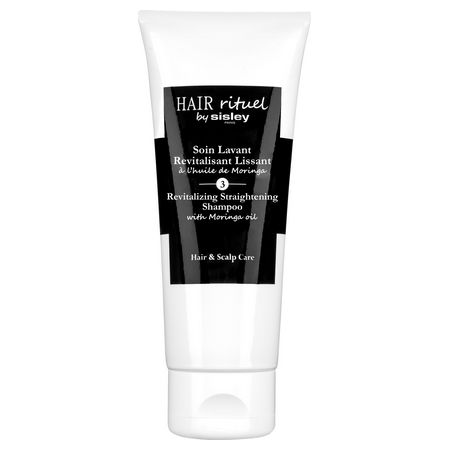
Hair washing frequency is one of the grooming questions adults ask least and re-evaluate never. Most men default to whatever their twenties habit was — daily, every other day, three times a week — and never adjust as scalp chemistry shifts in midlife. After 40 the math changes: sebum production drops modestly, scalp microbiome shifts, hair density thins, and the cumulative damage of decades of harsh shampoo starts showing. Daily lathering with a sulfate shampoo strips a scalp that's already producing less oil, leaving hair dry, brittle, and flat-looking. Once-weekly washing leaves enough residue to dull color and clog follicles. The right frequency for most adults is somewhere in between, and it varies by hair type, climate, and what you do during the day. This guide covers the honest frequency math, shampoo category by hair type, and the small habits that matter more than which expensive bottle you buy.
What's actually happening on your scalp
Three biology shifts after 40 reshape the wash equation.
Sebum output drops. Sebaceous glands on the scalp produce less oil from the late 30s onward — modestly at first, more noticeably through the 40s and 50s. The same wash schedule that left you feeling oily at 28 leaves you feeling dry at 48. Daily shampoo at this point removes the small amount of protective oil your scalp produces faster than it can replace.
Scalp microbiome shifts. Malassezia globosa — the yeast responsible for most adult dandruff — becomes more dominant as oil composition changes and barrier function declines. This is why people who never had flaking start seeing it in midlife. The fix is rarely "more washing" and often "different shampoo."
Hair density declines. Whether or not you have visible thinning, individual hairs become slightly finer after 40 and overall density drops by 5–10% per decade for most adults. Less hair means less product needed, less buildup tolerated, and a different visual baseline. See hair loss in men — what actually works and scalp care after 40 for the broader picture.
The honest frequency by hair type
There isn't a universal right answer. The right schedule depends primarily on hair texture, oil production, and lifestyle.
| Hair / scalp type | Honest wash frequency | Notes |
|---|---|---|
| Fine, straight, oily-prone scalp | Every other day | Daily strips; once weekly produces visible greasiness |
| Fine, straight, normal scalp | 2–3× weekly | The default for many adult men |
| Medium texture, normal scalp | 2× weekly | Most flexible category |
| Thick or coarse hair, normal scalp | 1–2× weekly | Density retains moisture longer |
| Curly hair (loose to tight curls) | 1× weekly with co-wash days between | Sulfates strip curl pattern |
| Coily / type 4 hair | Every 7–10 days, with co-washes between | Sebum doesn't travel down coil structure efficiently |
| Bald or buzzed (under 10 mm) | Daily or near-daily | Treat scalp like facial skin |
| Beard | 2–3× weekly with beard wash | Less than face, more than scalp hair |
The frequencies above assume sulfate-containing or moderately-cleansing shampoo. If you use a true clarifying shampoo, frequency drops by 1–2 cycles per week regardless of hair type. If you use sulfate-free or gentle shampoo, you can wash more often without damage.
Co-washing and rinses — the middle ground
Most adults benefit from "co-wash days" between shampoo days — using a lightweight conditioner alone, or water-only rinses, to refresh hair without stripping it.
Water-only rinse in the shower is the simplest middle option. A warm-water rinse with light scalp massage removes 50–70% of accumulated sweat and dust without removing sebum. Useful between shampoos, especially in summer or post-workout when you don't need a full wash.
Co-wash (conditioner-only wash) uses a slip-rich conditioner massaged into the scalp, then rinsed. Hydrating, cleansing-without-stripping, particularly useful for curly and coily hair. Brands designed for this: As I Am, DevaCurl, OUIDAD, Aussie Moist (cheaper, works fine).
Apple cider vinegar rinse (1 tbsp ACV in 250 mL water, poured through hair after shampoo and rinsed out) clarifies the scalp, restores pH balance, and reduces buildup. Once every 2–3 weeks for most adults. Not a daily move.
Scalp scrubs (BHA-based or sugar-based, applied to wet scalp before shampoo) help adults dealing with persistent buildup, mild dandruff, or product residue. Once weekly is plenty. The Ordinary Glycolic Acid 7% Toning Solution applied to scalp 1x weekly is a useful budget option.
The shampoo categories worth knowing
The bottle aisle is bewildering by design. Five categories cover virtually everything.
Daily / clarifying shampoo (sulfate-based). Aggressive cleansers, often containing SLS or SLES. Useful 1x weekly for buildup removal; bad as a daily option for most adult hair. Examples: Neutrogena Anti-Residue, Paul Mitchell Shampoo Three.
Moisturizing / gentle shampoo (sulfate-free). Cocamidopropyl betaine, decyl glucoside, or sodium cocoyl isethionate-based. Gentler cleansing, leaves more sebum in place. The right default for most adults over 40. Examples: Sebamed Everyday Shampoo, OGX (better formulas), L'Oréal Elvive Ultimate Blends.
Anti-dandruff / medicated. Ketoconazole (Nizoral 1%), zinc pyrithione (Head & Shoulders), salicylic acid (T/Sal), tar-based. Used 1–3× weekly depending on severity, alternated with a gentle shampoo. Genuine fungal/scalp issues warrant a medicated approach.
Color-safe shampoo. Lower-sulfate or sulfate-free, formulated to preserve dye molecules. Worth it if you color your hair (including gray-blending products). See managing gray hair for adult men.
Volumizing / thickening shampoo. Marketing-heavy category. Many work via mild astringents that swell hair shafts temporarily and protein deposits that coat hair. Worth trying for fine, thinning adult hair; not transformative. Look for biotin, hydrolyzed wheat protein, panthenol.
How to actually wash hair after 40
Mechanics matter as much as product choice.
Pre-wet thoroughly. Saturated hair lathers with much less product. Dry-application followed by water actually concentrates harsh surfactants against the scalp.
Use less shampoo than you think. A quarter-sized amount of true gentle shampoo is enough for most short-to-medium adult hair. Save the heavy lather for clarifying days.
Lather the scalp, not the lengths. The scalp produces sebum; the hair shaft just sits in it. Massage shampoo into the scalp with fingertips, let the lather run down the lengths during rinse. Working shampoo into the lengths separately just strips them.
Massage, don't scratch. Fingertips, not nails. 30–60 seconds of gentle massage stimulates microcirculation and improves cleansing without irritating the scalp barrier.
Rinse longer than feels necessary. Shampoo residue is a major cause of dullness and itching. A full 60–90 seconds of rinsing is the baseline.
Condition lengths only. Most conditioners shouldn't go on the scalp — they can weigh hair down and clog follicles. Apply mid-shaft to ends, leave for 2–3 minutes, rinse.
Water temperature: lukewarm. Hot water strips sebum aggressively, just like everywhere else on the body. Cool final rinse (10 seconds) closes the cuticle and improves shine.
This connects to the broader shower strategy in body wash vs bar soap after 40.
What about beard washing
Beard hair behaves differently from scalp hair and follows different rules.
- Wash beard 2–3× weekly with a beard-specific wash or a gentle face wash. Daily shampoo dries beard and underlying skin.
- Condition beard after every wash. Beard hair is coarser and slower to absorb its own sebum.
- Brush beard daily to distribute oil and remove debris.
- Beard oil daily on a dry beard after morning shower; balances the dryness washing creates.
See beard care after 40 for the full beard system.
Climate and lifestyle adjustments
The right frequency shifts with conditions.
Cold dry winters. Reduce wash frequency by one cycle. Lower humidity dries scalp regardless of what you do; less stripping helps.
Hot humid summers. Increase wash frequency by one cycle if you're sweating significantly. Water-only rinses on off-days work well.
Pool / chlorine exposure. Rinse hair immediately after swimming, even if you won't shampoo. Chlorine bonds to hair shaft and continues damaging through the day.
Saltwater / beach. Rinse, condition lightly, no shampoo. Salt is drying; conditioner restores moisture without stripping.
Heavy product days (styling cream, pomade, gel). Wash that night or the next day; don't sleep on product more than one night. Product buildup is a primary cause of adult scalp itch and follicle inflammation.
Hard water areas. Mineral buildup on hair shaft causes dullness, dryness, and color shift. A monthly clarifying shampoo or vinegar rinse handles it. A shower filter is worth $30 if you live somewhere with very hard water.
What about scalp treatments
For adults dealing with thinning, itching, or chronic dryness, weekly or twice-weekly scalp treatments make more difference than changing shampoo.
- Niacinamide scalp serum (The Ordinary Multi-Peptide Serum for Hair Density is a popular budget option) applied 3–5× weekly to dry scalp before bed. Supports follicle health and barrier function.
- Minoxidil 5% solution or foam is the only over-the-counter treatment with strong evidence for thinning hair. Applied twice daily to thinning areas. See hair loss in men — what actually works.
- Rosemary oil (diluted 3–5% in a carrier oil) has some evidence for scalp circulation and modest hair density benefit. Massage in 2–3× weekly for 5 minutes, leave 30 minutes, shampoo out.
- Argan oil or jojoba oil on dry lengths post-shower for shine and softness on the hair shaft itself. A few drops, applied to damp hair, combed through.
Common mistakes
- Daily shampoo with sulfate cleanser well past 40. The single most common adult hair mistake. Strips, dries, dulls.
- Once-a-month "deep cleansing" only. Buildup accumulates over weeks; scalp acne and itch follow. More gentle washing, less aggressive less often is the better split.
- Using the same product as your partner without thinking. Often the wrong formula for one of you. Hair-type-matched products work better.
- Skipping conditioner because hair is "fine." Lightweight conditioner on lengths only adds shine and reduces breakage without weighing fine hair down.
- Using "two-in-one" shampoo-conditioners daily. Compromise products that under-cleanse and under-condition. Use real versions of each.
- Applying shampoo to lengths. Strips hair shaft unnecessarily. Scalp only.
- Hot water for the full wash. Strips sebum and damages hair shaft. Lukewarm, with a cool final rinse.
- Towel-rubbing wet hair aggressively. Adult hair is more brittle when wet; aggressive rubbing breaks it. Squeeze and pat with a microfiber or cotton t-shirt.
- Blow-drying daily at high heat. Repeated thermal damage is a major contributor to adult hair shaft fragility. Air-dry partially, medium heat, leave-in heat protectant.
- Switching shampoos every month. Hair takes 3–4 weeks to fully adapt. Give a new product six weeks before judging.
FAQ
Is "no-poo" (skipping shampoo entirely) a real thing? For some hair types yes — curly, coily, and very dry hair often does well with co-wash-only routines. For most straight or fine hair, sebum buildup makes complete shampoo elimination unrealistic. A middle path of 1× weekly mild shampoo plus co-washes is often the right balance.
Should I use dry shampoo between washes? Sparingly. Dry shampoo absorbs sebum (helpful) but leaves residue (less helpful for adult scalp). Use it as an occasional bail-out, not as a daily strategy. Modern aerosol formulas with talc or cornstarch are gentler than older ethanol-based versions. Always brush out and rinse the scalp the next wash.
Why does my scalp itch even though I shampoo regularly? Three usual suspects. Product residue (rinse longer, switch shampoo). Yeast/dandruff (try a ketoconazole shampoo 2× weekly for a month). Dry scalp barrier (reduce wash frequency, add a gentle scalp moisturizer). If none of those resolve it within 4–6 weeks, see a dermatologist for seborrheic dermatitis or psoriasis evaluation.
Does cold water rinse really make a difference? Marginally. The cuticle does flatten slightly in cool water, producing a small shine benefit. The bigger benefit is psychological — adults who do a cold final rinse tend to also be more careful with the rest of their routine. Not a magic trick.
Can I shampoo my beard with my scalp shampoo? Better not. Beard hair sits on facial skin, which is more reactive than scalp. Use a beard wash or face cleanser instead. The scalp shampoo will be too stripping for the facial skin underneath the beard.
How does shampoo interact with hair color? Sulfate-containing shampoos strip color faster, particularly the cooler tones (ash blonde, ash brown, vibrant reds). Sulfate-free is the right move for colored hair. The first 48–72 hours after coloring, avoid shampoo entirely.
Should I clarify with apple cider vinegar? Once every 2–3 weeks for most adults, mixed at 1 tbsp ACV per 250 mL water. Helps remove buildup and restore scalp pH. Not as a daily move — the acidity over time can dry hair.
What about scalp scrubs? Useful once weekly for buildup-prone scalps. Physical scrubs (sugar, salt-based) are gentler than they sound; chemical scrubs (BHA, AHA-based) are stronger and need careful introduction. Don't combine with anti-dandruff shampoo same day.
Related guides
If this landed, the natural next reads are scalp care after 40, hair loss in men — what actually works, and haircuts for men after 40. For the broader bathroom system, the adult male bathroom setup.

Hair Washing Technique for Adult Men After 40: What Most Get Wrong
Hair washing is the grooming step most adults never reconsider. After 40 — with scalp changes, gray hair, and thinning — technique matters more than ever.

Body Exfoliation for Adult Men After 40: The Honest Protocol
Dead skin accumulates faster after 40, and shows on shoulders, back, knees, and elbows. The honest body exfoliation protocol — what works, what to skip.
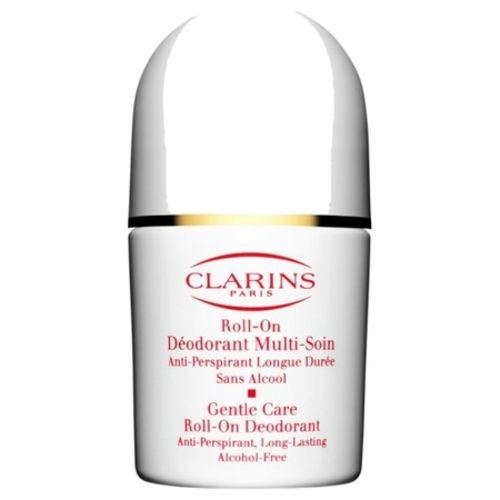
Deodorant Types Compared for Adult Men: Stick, Spray, Roll-On, Cream, Crystal
Stick, spray, roll-on, cream, crystal — five formats, real differences. The honest comparison for adults who want odor protection without staining their shirts.