Adult Male Pedicure: Toenail Care and Foot Maintenance After 40
Toenails age too — thicker, drier, more prone to fungus and ingrowns. The adult-male home pedicure that prevents bigger problems without requiring a salon visit.
Toenails are the most-ignored grooming surface on the adult male body, and the cost of ignoring them compounds with age. After 40, toenails get thicker (often dramatically so), drier, more prone to fungal infection, more likely to ingrow, and harder to manage with the casual approach that worked at 25. The visible result is feet that look neglected even when the rest of grooming is dialed in — feet that you'd be embarrassed to have seen at the pool, on the beach, in a partner's bed, or in a sandal. The honest fix is a small monthly home pedicure routine that takes 20 minutes, prevents most of the problems before they become serious, and means you don't have to think about your feet between sessions. This guide covers what's actually happening to adult male toenails and feet, the at-home tools and protocol that work, when to see a podiatrist, and the small daily habits that compound into healthy feet over decades.
What changes about feet and nails after 40
Several things shift:
Toenails thicken. Nails grow approximately 50% slower with age, and they often thicken as growth slows — the nail bed produces fewer but denser cells. Thick toenails are harder to cut, can press against shoe interiors uncomfortably, and contribute to ingrowns.
Skin on feet gets drier. Sebaceous glands are sparse on feet to begin with; after 40 the protective lipid layer thins further. Heels crack more readily, calluses build faster, and the skin generally loses its plumpness.
Fungal infection risk rises. Toenail fungus (onychomycosis) is dramatically more common in men over 40. Up to 25% of men over 50 have some form of nail fungus, often without realizing — discolored, thickened, or crumbly nails are signals.
Circulation reduces. Peripheral circulation declines modestly with age, which slows nail growth, reduces wound healing on feet, and contributes to cold feet at night.
Foot structure changes. Arches flatten slightly; foot width often increases by half a size between 30 and 60. Shoes that fit perfectly at 35 may pinch at 50, contributing to ingrowns and bunions.
Calluses and corns develop. Particularly on heels, ball of foot, and pinky toes from shoe friction.
Most adult men accept these changes as inevitable. The honest fact: a 20-minute monthly maintenance routine prevents 80% of the problems and keeps feet looking and feeling decades younger.
The honest at-home pedicure protocol
A monthly home pedicure for adult men:
Soak (10 minutes):
- Fill a basin or bathtub with warm water (not hot — too hot dries skin further)
- Optional: add 1/2 cup Epsom salts (mild antimicrobial, softens skin)
- Soak feet for 10 minutes — softens nails for trimming, skin for exfoliation
Trim nails:
- Use a proper toenail clipper (not finger nail clippers — different shape for the wider, thicker toenails)
- Cut straight across, not curved into the corners (curved cuts cause ingrowns)
- Leave nails slightly longer than the toe tip — too-short trimming exposes the nail bed to bacteria
- File the edges smooth with an emery board to prevent snagging
Exfoliate:
- Use a pumice stone or foot file on calluses, heels, and any rough areas
- Work gently — aggressive filing creates micro-tears that get infected
- Focus on the heel, ball of foot, sides of big toe
- Don't try to remove all calluses in one session — calluses are partly protective
Push back cuticles:
- Use a wooden orange stick to gently push back cuticles (don't cut — increases infection risk)
- Don't push aggressively
Apply moisturizer:
- A urea cream (10-20%) works dramatically better than regular lotion on feet
- AmLactin Foot Cream, CeraVe SA Cream for Rough & Bumpy Skin, or Eucerin Advanced Repair Cream
- Apply generously, massage in
- For very dry feet: thick layer of cream + cotton socks overnight
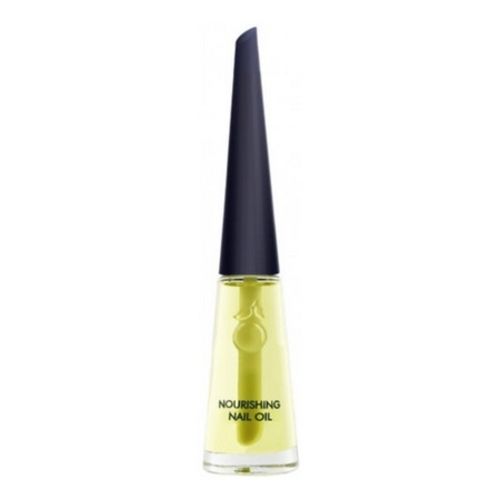
Optional: nail oil:
- A few drops of jojoba or argan oil on cuticles supports nail health
- Especially useful if nails are dry or brittle
Optional: clear nail strengthener:
- Some men benefit from a clear nail strengthener applied once a week on weak or peeling nails
- Sally Hansen Hard as Nails, OPI Nail Envy — applied to clean dry nails
- Not "polish" — clear, looks like nothing applied
Total time: 20-25 minutes. Do once monthly minimum; every 2-3 weeks for adults wanting better results.
For the broader foot context, see foot care for adult men after 40.
The tools worth owning
A small at-home foot care kit:
- Quality toenail clippers — heavy stainless steel, sharp blade. Tweezerman, Seki Edge, or similar. $15-30. Will last 10+ years.
- Emery board or glass nail file — for smoothing edges. $5-15.
- Pumice stone or foot file — pumice for daily light use; metal foot file (Microplane Foot File, $20) for stubborn calluses.
- Wooden orange sticks — cheap, disposable, for cuticles. $5 for many.
- Urea foot cream — the active ingredient that actually works on dry feet. $15-25.
- Cotton socks — for overnight moisturizing. $10-20.
- Optional: foot soak basin — convenient but a bathtub or large bowl works.
Total investment for the kit: $50-80. Replacing salon pedicures at $40-60 each pays for itself within 2-3 home pedicures.
When to actually see a podiatrist
Some foot issues warrant professional attention rather than home management:
- Suspected toenail fungus (yellowing, thickening, crumbling, separation from nail bed) — prescription oral or topical treatment far more effective than over-the-counter
- Painful ingrown toenails that aren't resolving with home care
- Plantar fasciitis (heel pain, especially in the morning)
- Bunions, hammertoes, or other structural issues affecting walking
- Diabetic adults — feet require professional monitoring
- Athletes' foot that's resistant to OTC treatment
- Wounds or sores on feet that aren't healing
- Anything that's painful, hot to touch, or has visible pus
A single podiatrist visit ($150-300 typically, often covered by insurance) can resolve issues that years of OTC products didn't fix. Especially for nail fungus, the cost-benefit is dramatic.
Toenail fungus: the underrated adult issue
Fungal nail infection affects roughly 25% of men over 50, often without diagnosis. The pattern:
- Nail gradually yellows or whitens
- Nail thickens and becomes brittle
- Sometimes separates from the nail bed
- Often starts in the big toenail, spreads to others over months/years
Treatment options:
- OTC topical antifungals (Fungi-Nail, terbinafine cream) — work for mild surface infections; useless for established under-nail infections
- Prescription topical antifungals (efinaconazole, ciclopirox) — better than OTC, still slow
- Prescription oral antifungals (terbinafine, itraconazole) — most effective but requires 3-6 months of daily medication and liver function monitoring
- Laser treatment at podiatrist — moderately effective, expensive
- Nail removal as last resort
Established infections take 6-12 months to fully clear because the nail itself has to grow out (slow). Catching early matters.
Prevention:
- Don't share shoes, socks, or towels
- Wear shower shoes in public showers/locker rooms
- Dry feet thoroughly, especially between toes
- Wear breathable socks (wool or technical synthetic, not cotton in shoes for extended periods)
- Rotate shoes (don't wear same pair daily)
- Treat athletes' foot promptly (precursor to nail fungus)
For the broader foot odor and bacteria context, see why your gym bag smells and apocrine vs eccrine sweat — the adult primer.
Ingrown toenails
The other common adult foot issue:
Causes:
- Improper cutting (cutting nail corners instead of straight across)
- Tight shoes
- Trauma to the toe
- Curved or thick nails
Home treatment for mild cases:
- Warm water soak 2-3 times daily
- Push skin away from nail edge gently
- Pack a small piece of cotton under the nail edge to lift it
- Antibacterial ointment + bandage
- Wear open-toed or wide shoes
When to see podiatrist:
- Severe pain
- Visible pus or red streaking
- Not improving in 4-7 days
- Recurring ingrowns (often need a permanent fix — partial nail removal procedure)
Daily habits that prevent problems
The compounding habits:
- Dry feet thoroughly after showering, especially between toes
- Apply moisturizer daily — urea cream beats anything else
- Wear clean socks — change daily; if feet sweat heavily, twice daily
- Choose breathable footwear — leather and merino over polyester and synthetic
- Rotate shoes — let each pair fully dry between wears (24 hours minimum)
- Wear sandals or open shoes at home when possible
- Pay attention to fit — feet change size with age; try shoes on properly
- Trim nails monthly — short enough to avoid pressure, not so short that they ingrow
For the bedroom-foot interaction, see adult male bedtime routine.
Common mistakes
- Cutting toenails curved into corners. Direct cause of most ingrowns.
- Trimming too short. Exposes nail bed; risks infection.
- Using finger nail clippers on toenails. Wrong shape; gives uneven cuts.
- Skipping moisturizer because "men don't moisturize feet." Cracking heels are universal; prevention is daily lotion.
- Aggressive filing of calluses. Creates micro-tears; calluses grow back thicker.
- Ignoring fungal signs early. Easier to treat when caught at first yellowing than years later.
- Wearing the same shoes daily without rotation. Doesn't fully dry; promotes fungus.
- Cotton socks in athletic shoes for long days. Hold moisture; wool or merino better.
- Sharing shoes or sandals at home (family, guests). Fungal cross-contamination.
- Hot water soaks every day. Dries skin further; warm only and weekly maximum.
FAQ
How often should I cut my toenails? Every 4-6 weeks for most adults; slower-growing nails sometimes 6-8 weeks. The right frequency is "before they press against shoe fronts."
Do men need pedicures professionally? Not strictly. A monthly home pedicure handles maintenance. Some adults appreciate professional pedicures for the experience or for harder-to-reach issues. Many salons now serve male clients comfortably; ask for non-polish if that's a concern.
Should I use polish to protect or hide nail issues? Clear nail strengthener can help with brittle nails. Colored polish on men is personal style; doesn't affect nail health particularly. Polish can hide fungal infection (and delay treatment), so be aware of what's underneath.
Are flip-flops bad for feet? For extended walking, yes — no arch support, no protection. For brief beach/pool use, fine. Adult preference: leather sandals or proper flip-flops with arch support (Birkenstocks, Reef Fanning) over cheap rubber ones.
Should I shave hair on my toes? Personal preference. Toe hair is normal and most people don't notice. If you want to remove it: small scissors or fine trimmer carefully. Don't shave with razor on the small surface — too much nick risk.
My toenails are very thick — can they be reduced? Yes. Podiatrist can thin them with specialized equipment. At home, careful filing with metal foot file can gradually thin nails (file the top surface). Don't try to dramatically reduce thickness yourself.
Are at-home foot peels (Baby Foot, etc.) worth it? For very calloused feet, yes — they chemically exfoliate. Process takes a week of dramatic shedding which some adults find disturbing. Use occasionally, not regularly. Less aggressive maintenance (regular pumice + moisturizer) prevents needing them.
Should I wear socks to bed? For cold feet, yes — clean cotton or merino socks help. Helps overnight moisturizer absorption when applied with thick cream and socks. Don't sleep in compression socks unless prescribed.
Why do my feet smell after I shower? Bacterial regrowth on residual moisture. Dry feet completely, especially between toes. Apply antiperspirant to feet if you sweat heavily. See foot care for adult men after 40.
Related guides
If this landed, the natural next reads are foot care for adult men after 40, hand care for adult men, and adult grooming checklist. For the broader bathroom build-out, the adult male bathroom setup.

Hair Washing Technique for Adult Men After 40: What Most Get Wrong
Hair washing is the grooming step most adults never reconsider. After 40 — with scalp changes, gray hair, and thinning — technique matters more than ever.

Body Exfoliation for Adult Men After 40: The Honest Protocol
Dead skin accumulates faster after 40, and shows on shoulders, back, knees, and elbows. The honest body exfoliation protocol — what works, what to skip.
Deodorant Types Compared for Adult Men: Stick, Spray, Roll-On, Cream, Crystal
Stick, spray, roll-on, cream, crystal — five formats, real differences. The honest comparison for adults who want odor protection without staining their shirts.